

For parents across the United Kingdom, the formative years of early childhood present a unique opportunity. Guiding a two-year-old through daily life can be both a joy and a challenge. A specific educational philosophy, developed by Dr. Maria Montessori, offers a powerful framework for this stage.
She championed hands-on learning as the cornerstone of development. This approach is perfectly suited to young children who are naturally curious and eager to explore. It transforms ordinary moments into rich, engaging experiences.
By introducing simple, practical tasks, caregivers can nurture a strong sense of self-reliance. These pursuits help a little one navigate their world with growing confidence. The goal is to foster personal autonomy from a very young age.
This method represents a future-focused parenting strategy. It provides a structured way to support a child’s natural development within the home environment. The benefits extend far beyond the early years, laying a foundation for lifelong confidence and capability.
Key Takeaways
- The Montessori method emphasises practical, hands-on learning experiences for young children.
- These approaches are particularly well-suited for two-year-olds in a UK family setting.
- Focusing on self-reliance helps build a child’s confidence and personal autonomy.
- Implementing these strategies at home creates a supportive and structured environment.
- This style of engagement turns daily routines into meaningful opportunities for growth.
- It is a forward-thinking way to support a child’s natural development during formative years.
Overview of Montessori Toddler Independence Activities
Dr. Maria Montessori observed a fundamental truth: children have an intrinsic need to be active participants in their own growth. This inner drive to ‘help myself’ forms the bedrock of a specific educational philosophy.
Understanding Independence in Early Childhood
For a young child, personal independence means more than completing simple tasks. It represents the burgeoning confidence to navigate their world. When a little one feels capable, they experience less frustration.
This builds a foundation for lifelong learning and self-assurance. Recognising this innate desire is the first step for any parent.
Core Principles of the Montessori Method
The approach emphasises hands-on, practical experiences as essential for development. It creates a home atmosphere that respects a child’s autonomy.
By providing appropriate tools and opportunities, caregivers support this natural progression. The goal is to nurture capable, confident young learners.
Practical Life Skills to Foster Self-Care at Home
Mastering personal care tasks represents a significant step in a child’s developmental journey. These practical life skills build confidence and capability within the familiar home environment.
Building Daily Routines for Toddlers
Establishing consistent patterns helps young children understand what comes next. This predictability supports their sense of security and control.
Following a clear sequence for each task aids physical development. It strengthens fine motor skills through repeated, meaningful practice.
Encouraging Self-Dressing and Hand Washing
An effective teaching method uses the SHOW approach: Slow Hands, Omit Words. This allows a child to focus entirely on the movements involved.
For hand washing, provide a small bowl of warm water. Let them rub their hands together thoroughly to learn the proper technique.
With children aged three and above, tasks like brushing hair require extra time. Patience ensures they feel successful in their efforts.
Never help a child with a task at which he feels he can succeed.
This philosophy emphasises trusting a child’s growing abilities. Offering appropriate support at the right moment is key.
Sensory and Creative Play for Development
The world of textures, colours, and natural materials offers endless opportunities for developmental play. Engaging a young child in this way supports the growth of essential motor skills and cognitive abilities.
Seasonal Art and Outdoor Exploration
Sensory bins are a fantastic tool. Filled with water, dried corn kernels, acorns, or miniature pumpkins, they invite hands-on exploration.
This type of activity helps a child develop coordination and problem-solving skills. It turns simple play into a rich learning experience.
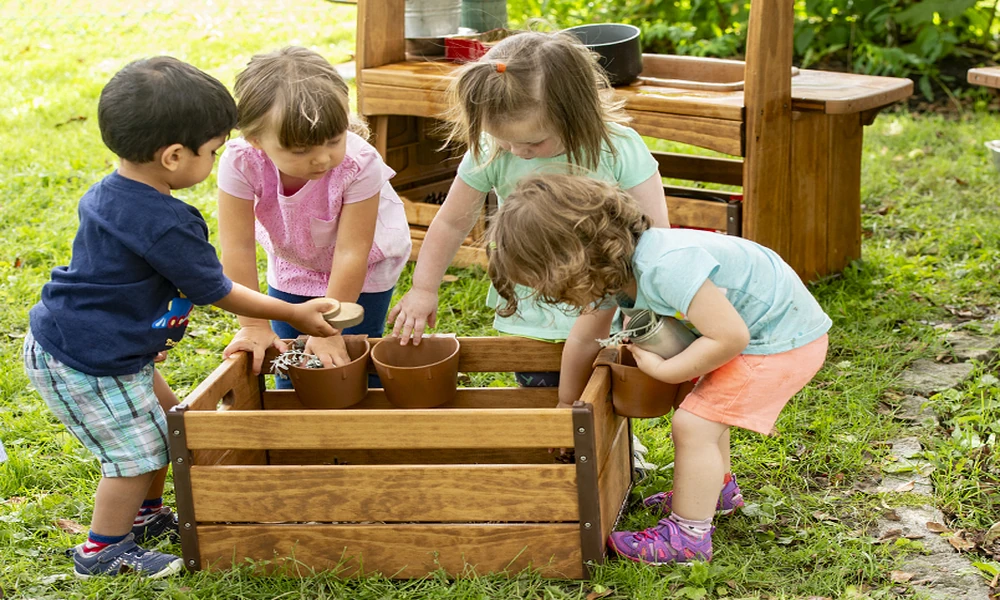
Outdoor exploration encourages a little one to take responsibility for their environment. Physical activity in nature fosters a sense of independence and supports holistic learning.
Structures like the TP Toys Active Tots Pikler range create a secure environment. They allow for the development of gross motor skills through climbing and balancing.
Seasonal art projects are equally valuable. Using leaves, pine cones, or other found items builds fine motor skills. It connects a child to the changing world throughout the year.
Offering varied creative options is key. It ensures your little one feels a sense of autonomy in their choices. This principle is central to a Montessori approach for a toddler.
Expert Montessori Insights from Eilmar Montessori
Expert perspectives offer valuable frameworks for parents seeking to nurture their child’s growing capabilities. Eilmar Montessori provides specialised guidance on adapting time-honoured approaches for contemporary family life. This professional insight helps tailor methods to suit a modern toddler’s unique needs.
Adapting Montessori Methods for Toddlers
A crucial step involves modifying the home environment to be child-sized. This simple adjustment allows your little one to participate in daily tasks without constant assistance. It builds essential life skills and promotes long-term confidence.
Providing a structured way for children to engage reduces frustration during the early years. Consistent parenting ensures every activity supports natural growth. Focusing on specific pursuits helps your child develop coordination and problem-solving abilities.
This approach transforms routine moments into meaningful learning experiences. It represents a forward-thinking strategy for development within the domestic setting. The goal is to foster independence through thoughtful, engaging activities.
Inspiration and Support by Eilmar
Practical support from experts like Eilmar can inspire parents to design spaces that promote self-directed learning. This guidance helps families create a home atmosphere where a young child can thrive.
It focuses on making everyday environments work for a little one’s growth. The goal is to turn common challenges into opportunities for capability.
Creating Child-Friendly Spaces in the Home
A key step is arranging your living area for easy access. Setting up low shelves allows your child to reach their own toys and materials.
This simple change lets them choose their preferred activities freely. It builds early decision-making skills and a sense of ownership.
Providing a dedicated area ensures they have the time and tools to practise. Mastering new abilities happens best in a prepared home environment.
Fostering Autonomy Through Engaging Tasks
Well-chosen tasks help children feel responsible for their belongings. Simple jobs like putting toys away or watering a plant are perfect.
These engaging pursuits give a child control over their daily life. They learn that their actions have a direct and positive effect.
This process nurtures a strong sense of autonomy. It supports overall development by building confidence from within.
When you offer the right resources, you support your child’s natural drive. This makes the journey more rewarding for everyone involved.
Conclusion
The path to nurturing a confident, capable young person begins with simple, intentional choices in daily routines. This journey requires patience and trust as each child discovers their own abilities at a unique pace.
By creating a supportive home environment, parents empower their little ones to master essential life skills. These practical experiences build a solid foundation for future learning and growth.
Remember that every child develops differently. Allowing extra time for tasks reduces frustration and strengthens the parent-child relationship. This approach fosters genuine independence from an early age.
Embracing these principles transforms ordinary moments into valuable opportunities for development. The Montessori-inspired methods discussed provide a clear framework for this rewarding process.
Ultimately, observing a child’s needs and providing appropriate tools leads to lasting confidence. This investment in early years pays dividends throughout their entire educational journey.
